

Why Long Tattoo Sessions Become Less Efficient When Ink Residue Builds Up on Needles

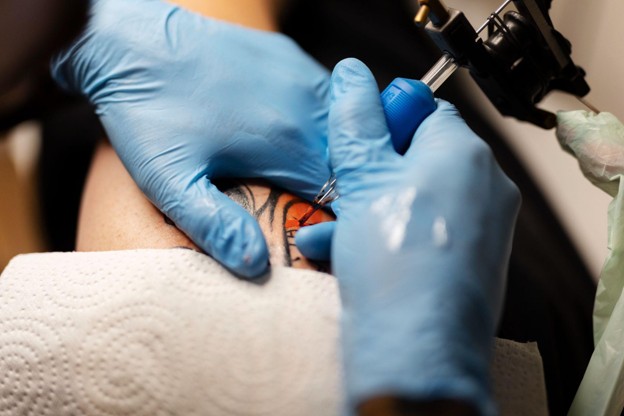
Long tattoo sessions demand precision, consistency, and efficient equipment management. For professional artists, using a needle cleaner during tattooing can help remove accumulated ink and oily residue that interrupt the creative process. Whether completing intricate shading, detailed linework, or large-scale designs, maintaining clean needle groupings is an important part of keeping the workflow organized and reducing unnecessary interruptions.
As tattoo appointments extend over several hours, repeated rinsing and wiping can consume valuable time. Understanding how residue develops and how to manage it effectively can help artists maintain a smoother working rhythm without compromising established hygiene procedures.
Why Ink Residue Becomes a Problem During Extended Sessions
Tattoo needles repeatedly encounter pigment, skin oils, and other materials throughout the tattooing process. Some of these substances can accumulate around needle groupings, inside cartridge tips, and along equipment surfaces that contact tattoo ink. As residue builds, artists may need to interrupt their work more frequently to rinse or remove unwanted material.
This challenge becomes particularly noticeable during larger projects involving multiple passes, intricate details, and frequent changes in technique. Although occasional cleaning is a normal part of tattooing, inefficient routines can create unnecessary delays. Incorporating a needle cleaner into the rinsing process can help artists manage residue while maintaining a more consistent pace during demanding appointments.
How Repeated Needle Wiping Interrupts an Artist’s Workflow
Every tattoo artist develops a working rhythm involving needle movement, ink application, skin preparation, and visual assessment. Frequent interruptions can disrupt that rhythm, particularly when the artist must repeatedly remove accumulated residue before continuing.
Traditional cleaning methods may involve dipping needle groupings into rinse cups and wiping them with disposable paper towels. Although these steps can remove visible material, repeated wiping may become time-consuming during an extended appointment. A suitable needle cleaner can support more efficient rinsing by helping disperse stubborn residue that plain water may not remove as readily.
Reducing unnecessary interruptions allows artists to concentrate on technique, evaluate their progress, and maintain an organized workstation.
Why a Needle Cleaner Matters During Large Tattoo Projects
Large-scale tattoo designs often involve extended shading, repeated ink application, and detailed transitions between different sections of the artwork. These activities can create more opportunities for residue to collect around needle groupings, particularly when working with pigment-rich inks or products containing oily ingredients.
A needle cleaner designed for use during tattooing helps address these challenges by assisting with the removal of accumulated material. S8 Tattoo’s RED Needle Cleaner, for example, is a concentrated rinse-cup additive formulated with plant enzymes and vegetable-based surfactants. These ingredients are designed to help lift ink, oils, and other residue from needle groupings.
For artists completing full-day appointments, an effective rinsing routine can reduce the time spent repeatedly addressing buildup and help preserve attention for the artwork itself.
How Surfactants Help Remove Stubborn Ink Residue
Tattoo inks and products used during tattooing can contain ingredients that do not readily mix with water. Oils and other substances may adhere to needle surfaces, making them more difficult to remove through simple rinsing.
Surfactants help address this problem by reducing surface tension and allowing oily substances to disperse more readily in water. This process can help loosen residue and make it easier to rinse away from needle groupings.
S8 RED Needle Cleaner uses vegetable-based surfactants and plant enzymes as part of its cleaning formulation. Unlike products intended for sterilization, this solution is designed specifically to support residue removal during an active tattoo session.
Understanding this distinction helps artists select products according to their intended purpose rather than assuming that all cleaning solutions perform the same function.
Why Efficient Rinsing Can Improve Color Transitions
Color transitions represent another challenge during detailed tattoo appointments. Residual pigment remaining inside needle groupings or cartridge tips can mix with subsequently introduced colors, potentially affecting the intended appearance.
This becomes especially relevant when moving from darker pigments to lighter shades. Even small amounts of leftover ink may influence the next color, making thorough rinsing an important part of maintaining consistency.
Using a needle cleaner can help artists remove residual pigment more efficiently between color changes. For large designs featuring multiple shades, this approach supports a smoother workflow while helping reduce unwanted color mixing.
How Better Workstation Preparation Supports Long Sessions
Efficient tattooing begins before the first line is completed. Organizing supplies, preparing rinse cups, and ensuring cleaning materials are readily accessible can help artists avoid preventable interruptions once the appointment begins.
A practical workstation preparation routine may include:
- Preparing rinse cups: Follow product instructions and appropriate infection-control requirements when preparing solutions.
- Organizing cartridges: Keep required needle configurations accessible while maintaining proper handling procedures.
- Arranging ink supplies: Position pigment caps conveniently to support efficient transitions.
- Maintaining disposable materials: Keep appropriate towels, gloves, and protective barriers available.
- Checking equipment: Confirm that machines and related components are functioning correctly before beginning.
- Planning color transitions: Consider the sequence of pigments to minimize unnecessary cleaning interruptions.
A needle cleaner can become part of this preparation process when used according to the manufacturer’s directions. S8 offers RED Needle Cleaner in individual sachets and an 8-ounce pump bottle, allowing artists to select a format suited to their workstation and working routine.
Why Cleaning During Tattooing Is Different From Sterilization
Efficient residue removal should never be confused with infection prevention. Products intended to remove ink and oily buildup during tattooing do not automatically disinfect or sterilize equipment.
The Centers for Disease Control and Prevention emphasizes appropriate hygiene practices during tattooing, including avoiding nonsterile water for rinsing equipment and following aseptic procedures. These precautions remain essential regardless of the cleaning products used during a session.
Artists should follow applicable health regulations, manufacturer instructions, and established infection-control procedures. Single-use needles and cartridges must be handled and discarded appropriately rather than treated for reuse with a rinse-cup additive.
A needle cleaner supports the removal of residue during tattooing but does not replace these requirements. Maintaining this distinction helps studios balance efficient working practices with responsible equipment handling.
How Product Selection Can Influence Studio Efficiency
Professional tattoo artists work with different equipment configurations, artistic styles, and appointment schedules. A cleaning product should therefore complement the tools already used within the studio rather than require unnecessary changes to established techniques.
S8 RED Needle Cleaner is designed for compatibility with different needle and cartridge technologies. Its concentrated formulation is intended for addition to rinse cups, where it helps remove accumulated ink and oily material during tattooing.
For independent artists, compact sachets can provide convenient preparation and storage. Larger studios may prefer packaging that supports regular supply management and repeated workstation setup.
Choosing a needle cleaner that fits existing practices can help maintain consistency across appointments while supporting more organized supply planning.
Why Small Workflow Improvements Matter Over Time
An individual rinsing interruption may seem insignificant, but repeated delays can accumulate throughout a lengthy tattoo appointment. Artists working on detailed pieces must balance technical precision, client comfort, equipment management, and the physical demands of sustained concentration.
Improving workstation organization and residue removal can help reduce avoidable disruptions. These adjustments may be particularly valuable for artists who regularly complete large designs, extensive shading, or complex color work.
A reliable needle cleaner can support this approach by making routine rinsing more efficient. However, the greatest benefits come from combining suitable products with thoughtful preparation, proper equipment handling, and consistent working techniques.
Maintaining Precision Throughout Every Tattoo Session
Long tattoo sessions require more than artistic ability. They depend on preparation, attention to detail, and routines that allow artists to concentrate on their work without unnecessary interruptions.
Managing accumulated ink and oily residue is one practical way to improve workflow efficiency. By selecting appropriate rinsing products, organizing workstations, and maintaining established hygiene standards, artists can create a more consistent working environment.
S8 Tattoo’s RED Needle Cleaner offers a vegetable-based solution designed to assist with residue removal during tattooing. For professionals seeking to improve their working routines, incorporating a suitable needle cleaner can help make extended appointments more manageable while keeping the focus on precision, consistency, and the finished artwork.