

Japan Rain Disaster Triggers Level 5 Warning
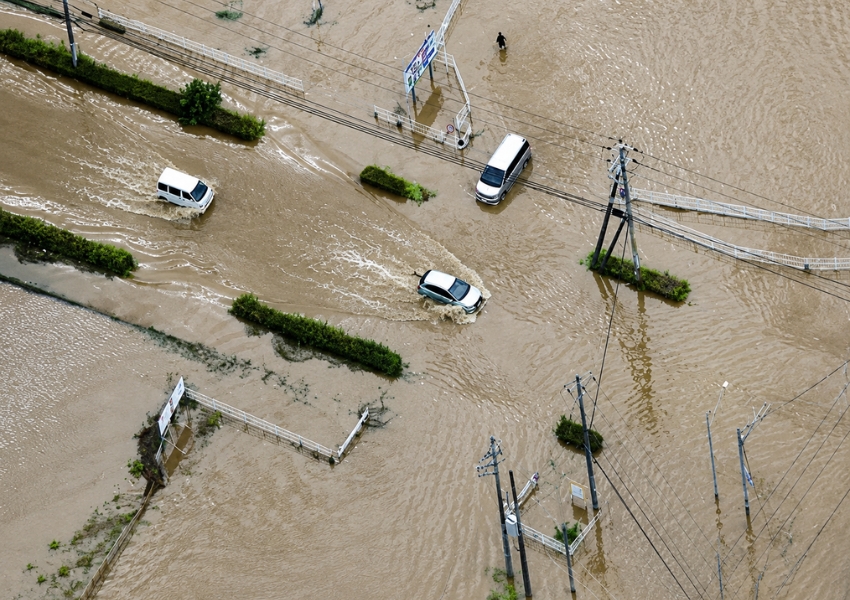

Image Credit: BBC | japan rain disaster
Japan’s rain disaster in Chiba prefecture, east of Tokyo, has killed at least six people after “unprecedented” rainfall triggered severe flooding, landslide warnings, power outages and major transport disruption around Narita airport, according to local and international reports. Reuters later reported the death toll had risen to eight as rescue teams continued operations in the flooded region.
The heavy rain in Japan hit during one of the country’s busiest travel periods, stranding thousands of passengers at Tokyo’s Narita airport and forcing residents into emergency shelters. Authorities issued Japan’s highest Level 5 emergency warning in parts of Chiba on Thursday before downgrading it to Level 4 on Friday, while continuing to warn of flooding and Japanese landslides.
Japan Rain Disaster Hits Chiba
The Japan Meteorological Agency described the weather system as an “unprecedented level of heavy rain” after warm, humid air from the east met colder air above, creating unstable atmospheric conditions over the region. Chiba, located next to Tokyo, recorded extreme hourly rainfall, with some areas seeing more than 100mm in an hour.
Reuters reported that more than 360mm of rain fell in 24 hours in parts of Chiba, inundating roads and railways and forcing soldiers to assist with rescue efforts. The rainfall overwhelmed drainage systems, submerged vehicles and cut off access to transport hubs.
The Chiba flood disaster also knocked out power to thousands of homes. Reports varied through Friday, with some outlets citing more than 20,000 households without electricity and others reporting higher outage figures earlier in the emergency.
Local authorities said saving lives remained the priority as emergency crews searched flooded roads, low-lying neighborhoods and areas at risk of landslides. Several deaths were linked to submerged vehicles and people found on flooded streets.
Narita Airport Stranded Thousands
The Japan rain disaster caused widespread disruption at Narita airport, one of the country’s major international gateways. Around 7,000 travelers were stranded overnight after flooding blocked road and rail access to the airport, Reuters reported. Airport staff distributed sleeping bags, water and snacks to passengers who remained inside the terminal.
The disruption came during the Bon holiday period, when domestic and international travel typically rises sharply. While flights were expected to resume more normally on Friday, rail links, airport buses, taxis and surrounding roads faced delays and congestion after the downpour.
Narita Airport’s stranded passengers were not the only people affected. Thousands also spent the night at railway stations, government buildings and public shelters after floodwaters blocked routes home. AP reported that many train services were suspended before partial operations resumed on Friday to reduce congestion.
The Tokyo weather warning also affected nearby districts as authorities urged residents to avoid rivers, slopes and flooded roads. In Chiba city and surrounding areas, emergency shelters housed people forced to evacuate or unable to return home safely.
Extreme Weather Adds Pressure
The unprecedented rainfall followed a week of severe weather across Japan and nearby countries, including storms linked to an unusually active typhoon season. Back-to-back systems affected Japan, the Philippines and China, increasing concern over extreme weather events across East Asia.
In Japan, the latest deluge added to wider concerns about infrastructure pressure from record rainfall, flash floods and landslide risks. Chiba prefecture flooding 2026 has now become one of the most disruptive Japan weather news events of the season, combining transport paralysis, evacuation orders, power outages and fatalities near the capital region.
Officials continued to warn that danger could remain even after the heaviest rain eased. Saturated ground can trigger delayed landslides, while swollen rivers and blocked drainage channels can keep flooding risks high for hours or days after rainfall slows.
The Japan level 5 rain warning was downgraded, but authorities maintained caution across affected municipalities. Evacuation advisories remained important in low-lying areas and neighborhoods near slopes.
The record rainfall in Chiba prefecture caused severe flooding at a time when Japan is already preparing for further storms during peak typhoon months. Forecasters said unstable atmospheric conditions could continue to produce localized heavy rain, keeping emergency teams on alert.
The japan rain disaster has justify Chiba facing recovery work across transport lines, homes, roads and public utilities. Rail and flight operations were gradually stabilizing by Friday, but the scale of flooding around Narita and nearby cities showed how quickly extreme rain can paralyze a major urban region.
Authorities said rescue and damage assessment work would continue as weather conditions allowed. The final toll may change as officials inspect flooded vehicles, damaged homes and areas cut off during the worst of the storm.
This content was adapted from an article in the BBC