

Iran Conflict 2026 Raises Risks for Gulf US Funding
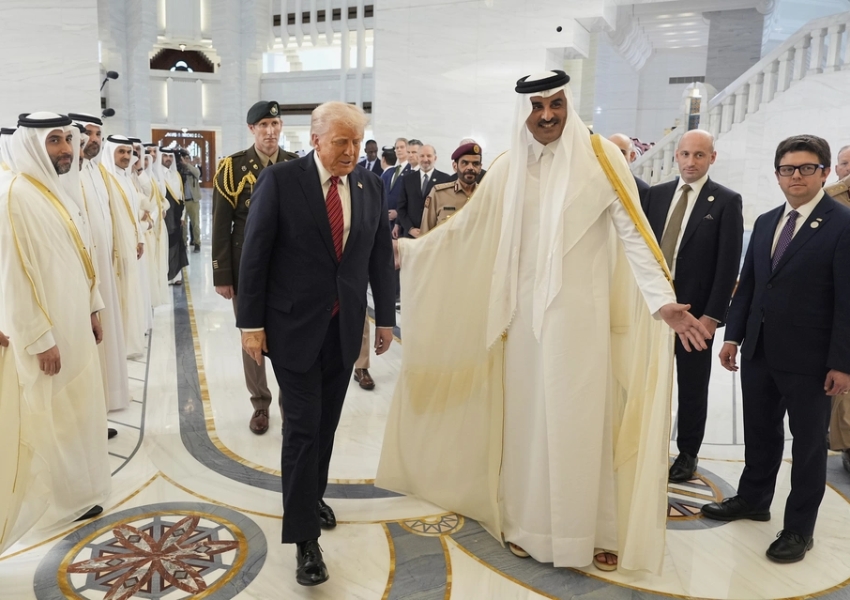

Iran-Middle East crisis
Image Credit: Politico
The ongoing Iran war of 2026 is beginning to cast a shadow over financial ties between Gulf nations and the United States, raising concerns about the stability of pledged investments and the broader GCC economic impact. As the conflict approaches its fifth week, officials and analysts are warning that escalating tensions could disrupt hundreds of billions of dollars in Gulf-US investments.
The Trump administration has relied heavily on capital commitments from Gulf allies to support its economic agenda. However, internal discussions suggest growing concern that those commitments may be delayed or reduced as the Middle East conflict intensifies. According to individuals familiar with the matter, Gulf governments have warned they may soon need to repatriate significant funds to address domestic pressures.
This potential shift reflects a broader investment risk 2026 scenario, where geopolitical instability is directly influencing financial decision-making. Gulf sovereign wealth funds, long considered a steady source of global capital, are facing increasing strain as regional revenues decline and security concerns rise.
A major factor contributing to the uncertainty is the effective disruption of the Strait of Hormuz, a critical global energy corridor. Any prolonged Strait of Hormuz closure has immediate implications for oil exports, which remain the backbone of Gulf economies. The resulting oil price surge 2026, with some projections placing Brent Crude at $120 forecast levels within reach, has further complicated economic planning across the region.
At the same time, infrastructure damage linked to US-Israel-Iran strikes and retaliatory attacks has begun to affect key sectors. Reports of a Qatar gas facility strike have raised concerns about reduced production capacity, potentially weakening the country’s ability to sustain outward investments. Tourism, another important revenue stream in cities such as Dubai and Doha, has also declined sharply amid security fears.
The combined effect has led some analysts to describe the region as temporarily constrained in its ability to deploy capital abroad. Gulf sovereign wealth funds, which had previously committed large-scale investments into US technology firms, infrastructure projects, and energy partnerships, may now redirect resources toward domestic recovery and defense needs.
Operation Epic Fury financial impact is also being closely monitored, as the ongoing military campaign introduces additional uncertainty into global markets. The cost of rebuilding damaged infrastructure and strengthening defense systems are expected to rise, placing further pressure on Gulf budgets.
Despite these challenges, officials have indicated that a complete withdrawal from US investments is unlikely. Instead, a slowdown in capital deployment appears more probable. Gulf leaders are expected to prioritize immediate regional needs, including security enhancements and economic stabilization, before resuming large-scale foreign investment.
The possibility of Saudi-US asset divestment or a broader UAE US investment retreat has not been confirmed, but financial analysts note that such moves would have significant implications for global capital flows. US-based startups, private equity firms, and major corporations that rely on Gulf funding could face reduced access to capital in the short term.
The situation is further complicated by shifting geopolitical dynamics, including discussions around Mojtaba Khamenei’s transition and leadership stability within Iran. These factors contribute to ongoing uncertainty, making long-term investment planning more difficult for both Gulf states and their international partners.
At the same time, Gulf countries continue to balance economic interests with strategic alliances. Maintaining strong ties with the United States remains a priority, particularly given the region’s security concerns and reliance on US defense capabilities. Increased spending on military equipment and infrastructure protection could, in some cases, offset reduced investments in other sectors.
Food supply and logistics have also emerged as areas of concern. The disruption of trade routes and rising costs have prompted discussions around a potential GCC food security emergency, highlighting the broader economic ripple effects of the conflict.
While the immediate outlook remains uncertain, the longer-term trajectory will depend on the duration and intensity of the conflict. A prolonged Middle East conflict could lead to structural changes in how Gulf nations allocate capital, including a possible shift toward Asian markets or regional investments.
For now, Gulf US investments remain under pressure but have not collapsed. The evolving situation continues to highlight how closely global finance is tied to geopolitical stability. As the Iran war of 2026 unfolds, its impact on international investment patterns is expected to remain a key area of focus for policymakers and financial markets alike.
For more information, visit Politico’s comprehensive article