

From Cups to Complete Setups: How to Choose Therapy Supplies for a Professional Practice

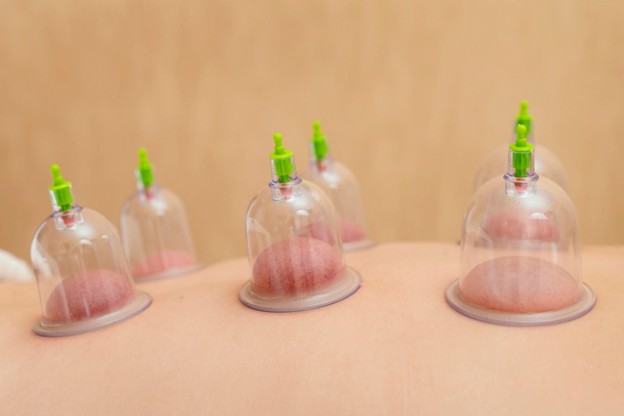
The effectiveness of a cupping setup begins with selecting cupping therapy supplies that match the practitioner’s technique and treatment environment. Cups may be the most visible part of the equipment, but pumps, tubing, inserts, storage, cleaning considerations, and the way the system is operated can all influence how practical a setup is in everyday use.
For practitioners, the goal is not necessarily to own every type of cup available. It is to choose equipment that provides the appropriate level of control, fits the intended technique, and can be incorporated into a consistent treatment workflow.
Cupping Equipment Is More Than the Cup
A professional cupping setup can include several components.
Depending on the technique, practitioners may work with:
- Plastic or polymer cups
- Fire cups
- Vacuum pumps
- Pump handles
- Extension tubes
- Replacement components
- Disposable sanitary inserts
- Multi-cup sets
- Storage and carrying solutions
Different systems create different workflows. A practitioner using a manual pump-based setup may prioritize control and accessibility, while another practitioner may have a specific reason for selecting traditional fire-cupping equipment.
Understanding those differences before purchasing can prevent unnecessary equipment from accumulating in the treatment room.
Start With the Type of Cupping Technique
The first question when evaluating cupping therapy supplies should be how the equipment will actually be used.
Cupping systems can differ significantly in how suction is generated and controlled. Some systems use a manual pump, while fire-cupping methods rely on a different technique and require appropriate training and precautions.
For that reason, equipment should be selected according to the practitioner’s established technique rather than simply choosing the largest or most comprehensive set.
A basic selection process might consider:
- What type of cupping is being performed?
- How much control over suction does the practitioner need?
- How many cups are normally used during a session?
- Does the practice need different cup sizes?
- Is portability important?
- What cleaning or replacement requirements apply?
These questions can narrow the product selection considerably.
Why a Cupping Set May Be More Practical Than Individual Cups
For practices that regularly use multiple cups during a session, a complete set can simplify purchasing and organization.
A multi-cup system can provide different cup sizes within one setup, allowing the practitioner to select the appropriate size for the treatment area and technique.
GoAcuZone currently offers several cupping configurations, including a professional plastic cupping set with 17 cups and an AcuZone set with 19 cups and an extension tube.
The advantage of a set is not simply the number of cups. It is whether the included components correspond to the way the practitioner works.
A 19-cup set is not automatically better than a smaller set if most of those sizes will rarely be used.
Pump-Based Systems Offer a Different Workflow
For practitioners using suction cups with a manual pump, the pump becomes an important part of the equipment rather than a minor accessory.
The pump needs to work with the selected cup system, and tubing or connectors may also be relevant depending on the configuration.
GoAcuZone’s current cupping category includes a Hansol pistol-grip hand pump, replacement plastic tips, and extension tubes designed for compatible cupping sets.
When purchasing cupping therapy supplies, compatibility between the cup, pump, tubing, and connector should therefore be checked rather than assumed.
A replacement component that appears physically similar may not necessarily be appropriate for another system.
Cupping Therapy Supplies: Cup Size And Treatment Areas
Cup size can influence how a practitioner approaches different treatment areas.
Larger cups may cover a broader area, while smaller cups can be more practical where the available surface area is limited. The appropriate selection depends on the practitioner’s technique and the intended application.
This is one reason multi-size sets can be useful for practices that work across different treatment areas.
However, cup size should not be treated as a simple measure of quality. The relevant question is whether the available sizes provide the range the practitioner actually needs.
Disposable Inserts and Hygiene Considerations
Some cupping systems incorporate disposable sanitary inserts or other components intended to simplify hygiene management.
GoAcuZone lists disposable sanitary insert plastic cups among its current cupping products.
Whether a disposable component is appropriate depends on the specific system and manufacturer instructions. Practitioners should follow the product’s labeling and established infection-control procedures rather than assuming that every cup or accessory can be handled in the same way.
The FDA distinguishes reusable medical devices from single-use devices and notes that reusable devices must be designed and labeled for multiple uses and appropriately reprocessed between patients.
That distinction is particularly important when creating a repeatable treatment-room workflow.
Cleaning Should Be Considered Before Purchasing
Cleaning and reprocessing requirements can affect whether a particular cupping system is practical for a busy practice.
Before purchasing reusable equipment, determine:
- What materials are used?
- What cleaning method does the manufacturer specify?
- Can the components tolerate the recommended process?
- Which parts require particular attention?
- Are any components intended to be replaced rather than reprocessed?
- Does the practice have the necessary equipment and workflow for proper cleaning?
The Centers for Disease Control and Prevention emphasizes that cleaning should occur before disinfection or sterilization when those processes are required and that manufacturers’ reprocessing instructions should be followed for reusable equipment.
This makes reprocessing information an important part of equipment selection, not something to investigate after purchase.
Fire Cups Require a Different Level of Consideration
Fire cups belong to a different category from pump-based plastic systems.
Because fire-cupping techniques involve an open flame or heat source, practitioners should consider appropriate training, workspace conditions, fire safety, and the manufacturer’s instructions before incorporating this equipment into a practice.
A product being available for purchase does not by itself establish that it is appropriate for every practitioner, setting, or technique.
The safest purchasing decision is therefore the one that matches the equipment to the practitioner’s qualifications, established procedures, and applicable local requirements.
How to Build a Practical Cupping Setup
Rather than purchasing equipment randomly, practitioners can build a setup in stages.
Start with the core equipment. Select the cup type and sizes that correspond to the primary technique.
Add compatible accessories. If the system uses pumps or tubing, verify compatibility before purchasing replacement or additional components.
Plan for hygiene. Determine which components are reusable, which are disposable, and how each should be handled.
Consider volume. A practitioner treating several clients consecutively may need a different supply strategy from someone using cupping occasionally.
Create a replacement plan. Small components such as connectors, tips, tubing, or other accessories can become inconvenient points of failure if they are not accounted for.
A Cupping Supply Checklist
Before buying cupping therapy supplies, consider:
- What type of cupping technique will be used?
- Which cup sizes are needed most often?
- Is a complete set more practical than individual cups?
- Does the system require a pump?
- Are the pump, tubing, and cups compatible?
- Which components are reusable?
- Which components are disposable?
- What are the manufacturer’s cleaning and handling instructions?
- Are replacement parts available?
- Does the equipment fit the practice’s treatment workflow?
- Are additional safety procedures necessary for the chosen technique?
Answering these questions can make equipment selection much more deliberate.
Choosing Supplies Around the Practitioner, Not the Catalog
The most useful cupping setup is not necessarily the one containing the greatest number of cups or accessories. It is the setup that matches the practitioner’s technique, treatment environment, workload, and hygiene workflow.
GoAcuZone’s current selection illustrates the range of configurations available, from individual pump components and extension tubes to multi-cup sets and disposable sanitary inserts.
For practitioners, that range makes it possible to build a setup around actual needs rather than treating every component as essential.
Ultimately, cupping therapy supplies should be selected as a coordinated system. The cups, suction method, accessories, cleaning requirements, replacement components, and storage approach all need to work together.
A thoughtful equipment setup can make the treatment workflow more organized while helping practitioners make purchasing decisions based on application, compatibility, and appropriate handling rather than simply choosing products by appearance or price.