

Turkey to host next climate conference, Australia in big role
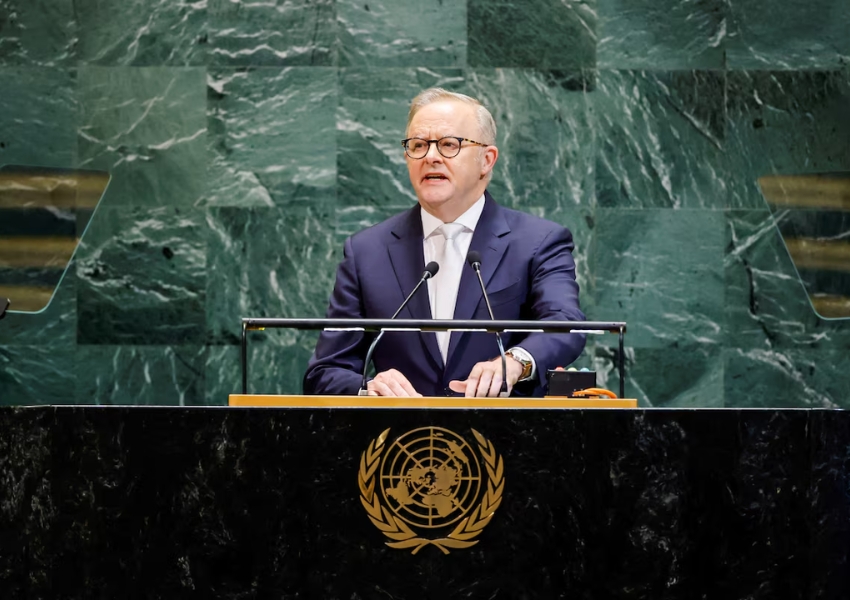

Anthony Albanese, the PM of Australia
Image Credit: Reuters
Turkey will host next year’s United Nations Climate Change Conference following a compromise that assigns Australia a major role in steering negotiations. The agreement, confirmed by negotiators during the ongoing climate summit in Belém, Brazil, ends months of uncertainty about who would oversee the high-profile global gathering. The decision also comes at a time when governments worldwide are preparing for several upcoming political and economic milestones, including the UK Budget Countdown and heavy US Thanksgiving Travel forecasts, which continue to shape international policy conversations.
According to officials involved in the talks, Turkey will serve as the official host and chair of the summit, while Australia will preside over the negotiating process. German Environment State Secretary Jochen Flasbarth described the arrangement as “highly unusual,” noting that it differs from the traditional model where a single host nation manages both responsibilities. Before taking effect, the agreement must receive formal approval during the conference plenary.
The outcome follows protracted discussions between Ankara and Canberra, each vying for leadership of the November 2026 summit. Had negotiators failed to reach consensus, the conference would have defaulted to Bonn, Germany, the headquarters of the UN Climate Change Secretariat. Officials had hoped to avoid that scenario due to time limitations and Germany’s request for additional preparation space.
Climate summits rotate among global regions, and each nation within the designated bloc holds veto power. This structure, designed to promote fairness and representation, often leads to lengthy negotiations as governments balance national priorities with collective expectations. The arrangement between Turkey and Australia ultimately satisfied regional groups and preserved the rotational framework.
Under the compromise, Australian Climate Change Minister Chris Bowen will serve as president for the negotiation phase of COP31, while Turkey will oversee logistical, diplomatic, and administrative responsibilities. Australian Prime Minister Anthony Albanese welcomed the agreement, calling it a “strong result” for his government and partner countries in the Pacific. Canberra said it consulted regional leaders throughout the process to ensure the final decision aligned with broader climate ambitions, particularly ongoing concerns regarding adaptation, mitigation, and coastal vulnerability.
Diplomats noted that the consensus also helps stabilize planning for the next several years of climate conferences, which play an important role in shaping national emissions goals and global financing commitments. As many countries face domestic pressures, from the NHS Winter Crisis in the United Kingdom to the US government funding deadline in Jan 2026 international cooperation on climate remains a key point of scrutiny.
Meanwhile, the location for the 2027 summit has also been confirmed. Ethiopia’s capital, Addis Ababa, will host COP32 following unanimous endorsement from participating nations. Ethiopian Prime Minister Abiy Ahmed welcomed the decision, describing it as a recognition of the country’s growing leadership in climate action and its readiness to organize a global gathering. He said the opportunity reflects confidence in Ethiopia’s ability to host international events while advancing environmental priorities across the African continent.
Ethiopia’s selection comes at a time when global leaders are increasingly focused on the intersection of climate policy, finance, and geopolitical stability. Addis Ababa’s role is expected to include discussions on renewable energy expansion, climate financing frameworks, and adaptation strategies for developing nations. Bold background: Many African countries have been pushing for stronger representation in climate negotiations due to their disproportionate vulnerability to climate impacts despite low historic emissions.
India is currently the only nation that has formally expressed interest in hosting the 2028 conference, though negotiations for COP33 are still at an early stage. Analysts expect the selection process to gain momentum after formal confirmation of the Turkey-Australia arrangement.
The upcoming conferences will take place during a period of heightened global travel and public attention. With 81.8 Million US travelers forecast for the Thanksgiving period and ongoing evaluations of aviation safety, logistical planning for large international events has been under closer review. Environmental groups have emphasized that major climate summits must maintain both accessibility and sustainability, especially as global emissions continue to rise despite multilateral commitments.
Next year’s climate conference is anticipated to focus on accelerating national climate targets, updating financing commitments, and reviewing progress on the implementation of the Loss and Damage Fund established at COP27. Officials say the unique division of responsibilities between Turkey and Australia will likely shape the diplomatic atmosphere, though both countries have expressed confidence in the shared leadership model.
As governments prepare for the UK Autumn Budget Nov 26 countdown and continued global economic pressures, international climate cooperation remains a leading issue in political discussions. With Turkey hosting and Australia directing negotiations, the upcoming conference is expected to mark a notable moment in the evolving structure of UN climate diplomacy.
The agreement now awaits final approval in plenary, but negotiators expect it to move forward. Once confirmed, planning for COP31 will begin immediately, setting the stage for a crucial gathering at a time when global climate commitments are under increasing scrutiny.
This story was originally featured in Reuters