

JD Vance Hungary Trip Raises Stakes Before Hungary Vote
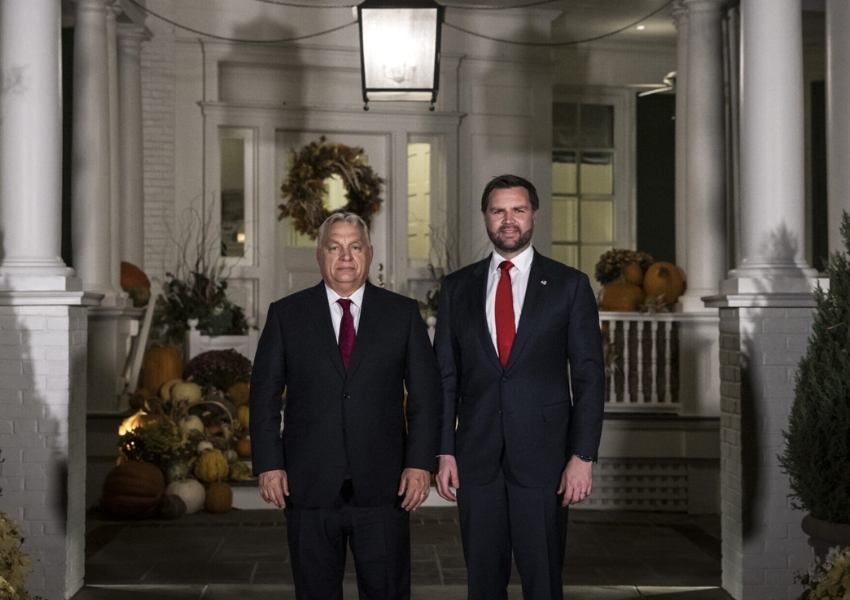

JD Vance Hungary trip with Viktor Orbán
Image Credit: Hungarian Conservative
U.S. Vice President JD Vance arrived in Budapest on Tuesday for a two-day visit aimed at supporting Prime Minister Viktor Orbán’s re-election campaign, placing the Trump administration firmly behind one of its closest ideological allies in Europe just days before Hungary’s April 12 parliamentary election. The JD Vance Hungary trip comes as Orbán and his Fidesz party face their most difficult contest since returning to power in 2010, with multiple independent polls showing the ruling bloc trailing Péter Magyar’s opposition Tisza party.
The visit includes official bilateral meetings with Orbán, followed by Vance’s appearance at a Budapest campaign rally, an unusual move for a sitting US Vice President in 2026 and one likely to intensify scrutiny over foreign election interference. The White House has framed the visit as part of broader US-Hungary relations, but its timing, five days before the Sunday, April 12 election, leaves little doubt about its political significance.
JD Vance’s Hungary Trip Signals High-Stakes U.S. Support
The JD Vance Hungary trip is the strongest public display yet of the Trump administration’s effort to shore up Viktor Orbán’s campaign at a moment when the nationalist leader appears vulnerable. Orbán is seeking a fifth straight term, but the race against Péter Magyar’s opposition forces and the rising Fidesz party vs. Tisza battle has reshaped Hungary’s political landscape.
Orbán, long seen as a leading figure in Nationalist populism and among Trump’s most prominent Illiberal democracy allies, has built close ties with Washington’s MAGA wing. Trump has already endorsed Orbán publicly, while Secretary of State Marco Rubio traveled to Budapest in February to praise the prime minister’s leadership and reaffirm bilateral alignment.
Late last month, Orbán also hosted CPAC Hungary 2026, bringing together conservative leaders from Europe and the United States. Trump delivered a video endorsement during the event, further cementing what analysts now describe as a deepening Vance-Orbán alliance.
The vice president’s arrival aboard Air Force Two in Hungary is expected to dominate the final campaign stretch, particularly as Orbán’s government faces voter frustration over inflation, energy costs, and broader economic stagnation.
Poll Pressure Builds Before Hungary Election April 12
The trip comes against a difficult backdrop for Fidesz. Surveys continue to show Orbán behind among decided voters, with the center-right Tisza movement gaining momentum ahead of the Hungary election’s April 12 vote. The emergence of Magyar as a credible challenger has turned what was once expected to be another comfortable Fidesz win into a high-stakes national test.
The opposition has centered its message on democratic restoration, institutional reform, and closer alignment with Western allies, contrasting Orbán’s long-standing disputes with Brussels and his refusal to fully support EU military and financial aid for Ukraine.
That stance has also made Hungary central to debates around MAGA foreign policy and its European echoes. Orbán’s government remains one of the few in the bloc to maintain close energy ties with Moscow, while Washington under Trump has openly rewarded Budapest with policy gestures, including sanctions exemptions tied to Russian oil and gas flows.
Critics have highlighted the contradiction between Orbán’s frequent denunciations of outside political influence and his embrace of Vance’s rally appearance. In past elections, Orbán has sharply condemned expressions of support for opposition forces by EU leaders, describing them as violations of Hungarian sovereignty.
The JD Vance visit to Hungary in April 2026’s impact may now become one of the defining final-week questions in the campaign. Whether the vice president’s presence can reverse polling trends remains uncertain, but the symbolism is unmistakable: Washington’s Republican leadership is investing political capital in Orbán’s survival.
The result on Sunday will likely resonate beyond Budapest. A victory for Orbán would strengthen one of the most durable conservative-nationalist governments in Europe and reinforce the Trump administration’s outward-looking alliance strategy ahead of the 2026 US Midterms. A defeat, by contrast, would mark a major setback for one of the global right’s most closely watched political partnerships.
This story was originally featured in AP News