

Oregon Volcano to Produce Geothermal Energy by 2026
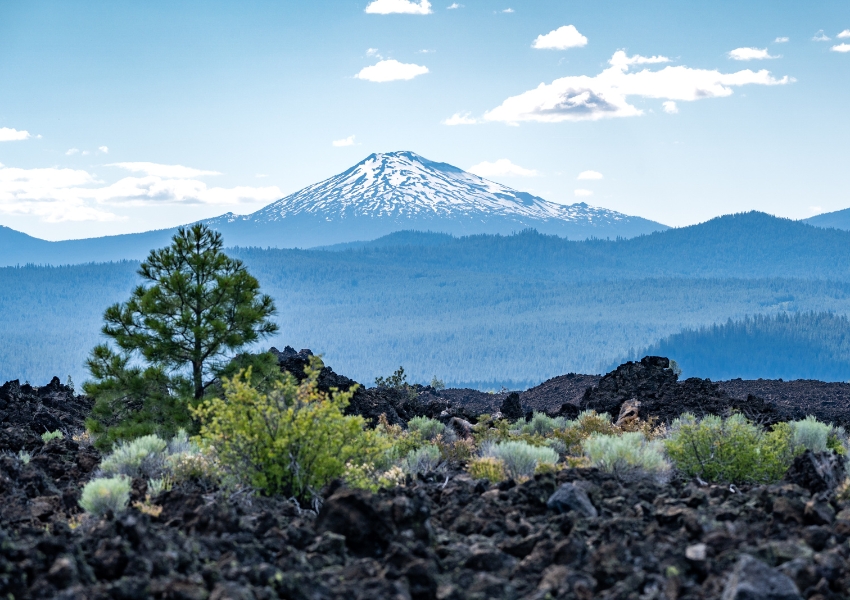

Newberry volcano oregon
A new geothermal project in Oregon is set to become one of the most significant advances in America’s clean energy landscape, as engineers prepare to draw power directly from one of the country’s most active volcanoes. The initiative, located near Newberry Volcano, is expected to supply electricity to nearby homes and businesses by 2026, marking a major step forward for geothermal technology in the United States.
According to reports, the Newberry site will become the hottest geothermal power plant ever constructed. Engineers are currently working to access superheated rock beneath the volcano, creating a controlled system that can convert geologic heat into usable electrical power. The project’s developers believe the system could demonstrate how large-scale geothermal energy can be achieved using existing drilling and engineering methods, rather than relying on untested breakthroughs.
Advocates of the effort say the Oregon plant represents a turning point for the broader geothermal industry. Supporters argue that while geothermal energy has long been overshadowed by solar, wind, and hydropower, the ability to tap into extreme underground temperatures could position it as a much more competitive source. This perspective aligns with current interest in innovative, scalable clean-energy technologies across the United States and Europe, particularly as nations continue efforts to reduce fossil-fuel dependence and improve grid resilience.
Clean energy organizations involved in the project say the Oregon development presents the most efficient path toward making geothermal affordable and accessible. They note that the technical challenges remaining are not considered insurmountable, describing them as manageable engineering refinements rather than major scientific obstacles. This approach reflects recent global momentum in using precise drilling methods—some of the same techniques used in the oil and gas industry—to unlock new geothermal potential beneath volcanic and high-heat zones.
International forecasts support the idea that ultra-hot geothermal resources could play a transformative role. The International Energy Agency estimates that geothermal energy produced at superhot temperatures may be capable of generating up to 150 times the world’s current electricity usage. While this figure reflects theoretical capacity rather than immediate output, it highlights the enormous potential of geothermal reservoirs concentrated in volcanic regions.
Industry leaders argue that geothermal’s limited presence in national power grids today is the result of historical challenges rather than lack of potential. Venture-capital groups investing in geothermal innovation say that meaningful progress depends on safely accessing higher temperatures deep below the surface. They believe the Oregon project could serve as a model for similar systems across other volcanic areas, including parts of the western United States, East Africa, Iceland, and Southeast Asia.
The Newberry Volcano has recorded temperatures as high as 629 degrees Fahrenheit, according to measurements from the U.S. Geological Survey. This extreme heat enables engineers to test new techniques to control and circulate water or fluids through the rock, using the resulting steam to drive turbines and generate electricity. If the system performs as expected, it may help address the geographic limitations that have historically kept geothermal energy confined to a few select regions.
The project’s progress comes as energy agencies and scientific institutions continue monitoring other natural phenomena, including Interstellar Comet activity, NASA discoveries, and black-hole research. These developments—along with recent findings related to Comet 3I/ATLAS and the confirmation of hydroxyl radicals that proved it to be a natural object—reflect the wider context of scientific advancement that also supports progress in planetary and environmental technologies. While separate from geothermal engineering, the growth of such research underscores the increasing role of science-driven innovation across sectors, including renewable energy.
At the same time, global environmental considerations continue influencing policy discussions and long-term energy planning. Nations preparing for climate conferences and reviewing carbon-reduction commitments are closely watching advancements like the Oregon project. Some analysts note that geothermal’s independence from seasonal weather patterns makes it a valuable complement to solar and wind, especially as governments look for more stable, year-round options to support sustainable power grids.
The Oregon development also arrives during a period of heightened public interest in future climate-resilient infrastructure. As extreme weather events increase, technology capable of providing uninterrupted electricity—particularly during storms or high-demand periods—remains a priority for states aiming to strengthen their grid reliability.
If the Newberry plant performs according to projections, its model could open the door for broader geothermal expansion across the western United States. Scientists and engineers are continuing to refine the system in preparation for commercial operation, with test phases underway to ensure the project can safely handle extreme underground conditions.
As the United States seeks new energy sources that can operate alongside solar, wind, and hydropower, the Newberry project stands out as a significant development. Its success could accelerate geothermal deployment across the country, offering communities a stable, locally produced source of clean electricity. With construction advancing and testing entering critical stages, the next two years are expected to determine how quickly geothermal energy can transition from a niche resource to a practical contributor to America’s power strategy.
For more information, visit NewsNation’s comprehensive article